
Apple A6 vs Rockchip RK3066: 4 Years vs. 6 weeks of design
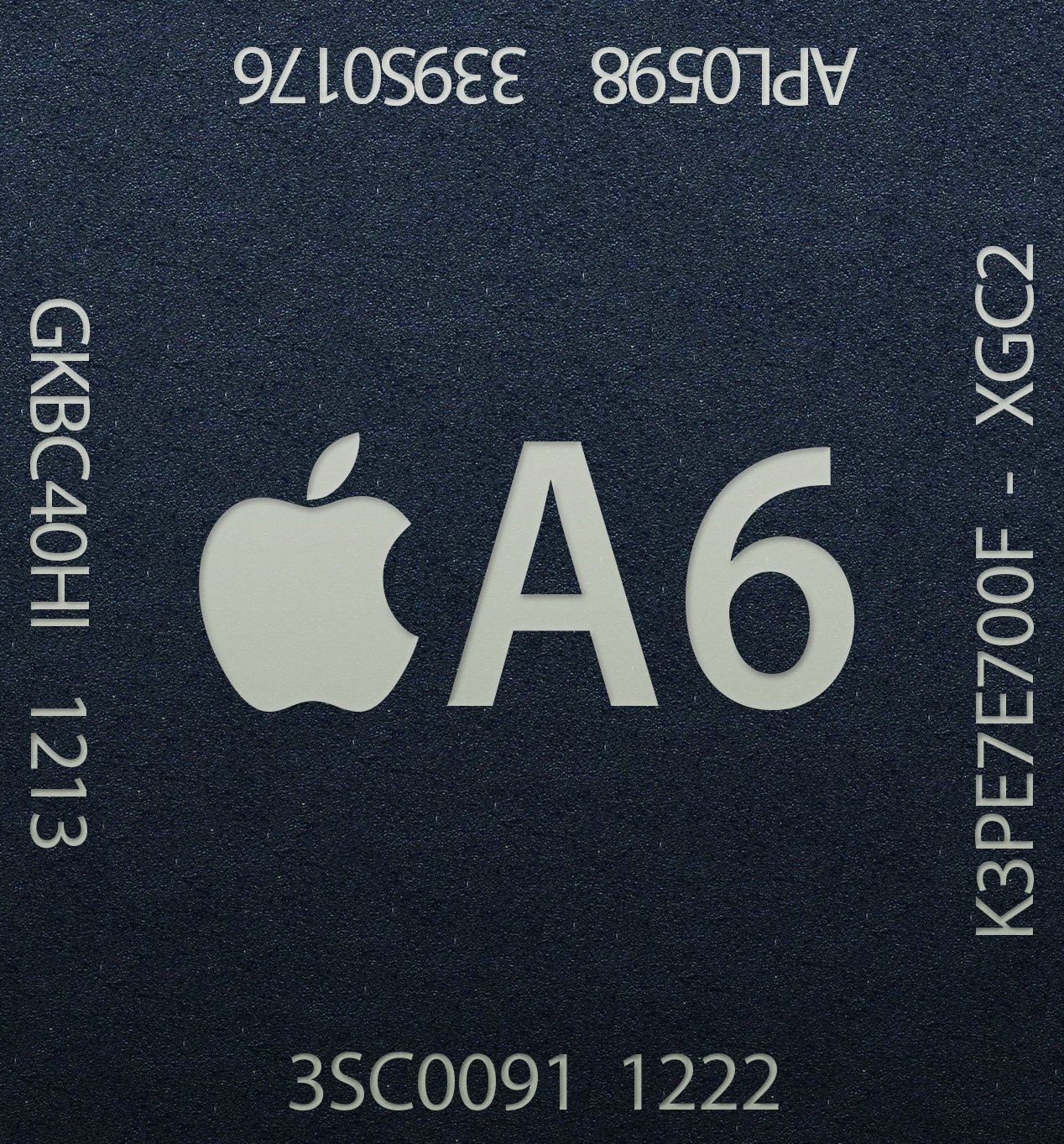
The introduction of the iPhone 5 was also the introduction of Apple’s first truly original Application Processor design. The iPhone 2, 3G and 3GS all featured designs by Samsung. The iPhone 4 introduced the A4, which was closely based on the Hummingbird Cortex-A8 core developed with Samsung and Intrinsity, again, not a truly Apple design. The iPhone 4S introduced the A5 (and the A5X used in the iPad 2). The A5 is based on the ARM Cortex-A9 MPCore, a standard ARM design, albeit with many added features, but architecturally, the processor is not original, just customized.
 ARM provides cores designs for use by developers, such as the Cortex-A9, A8, etc. These are complete designs of processors that you can drop into your system design as a block, add your own functions, such as a graphics system, audio processing, image handling, radio control, etc and you have your processor. This is the way many processor vendors go about things. They do not have to spend the time and effort to design a processor core, just pick one that meets their needs (power budget, speed, die area) and add any peripherals Many of these peripherals are also licensed as Intellectual Property (IP) blocks making building a processor in some ways similar to construction with Legos. This is not to say that this is easy, or the wrong way to go about things, it is in fact the only way to get a design to market in a matter of weeks, rather then years. It allows for a wide product portfolio that can meet many customers needs. The blocks are often offered for a specific process, so not only can you purchase a license to a Cortex-A9 MPCore, you can purchase one that is hardware ready for a TSMC 32nm High-k Metal Gate process, or a 28nm Global Foundries process. This greatly reduces the amount of work needed to make a design work with a chosen process. This is what ARM calls the Processor Foundry Program.